|
Inside AGC November/December 2008 Modeling the Future of the Construction Industry AGC breathes new life into building information modeling By AGC President Douglas E. Barnhart
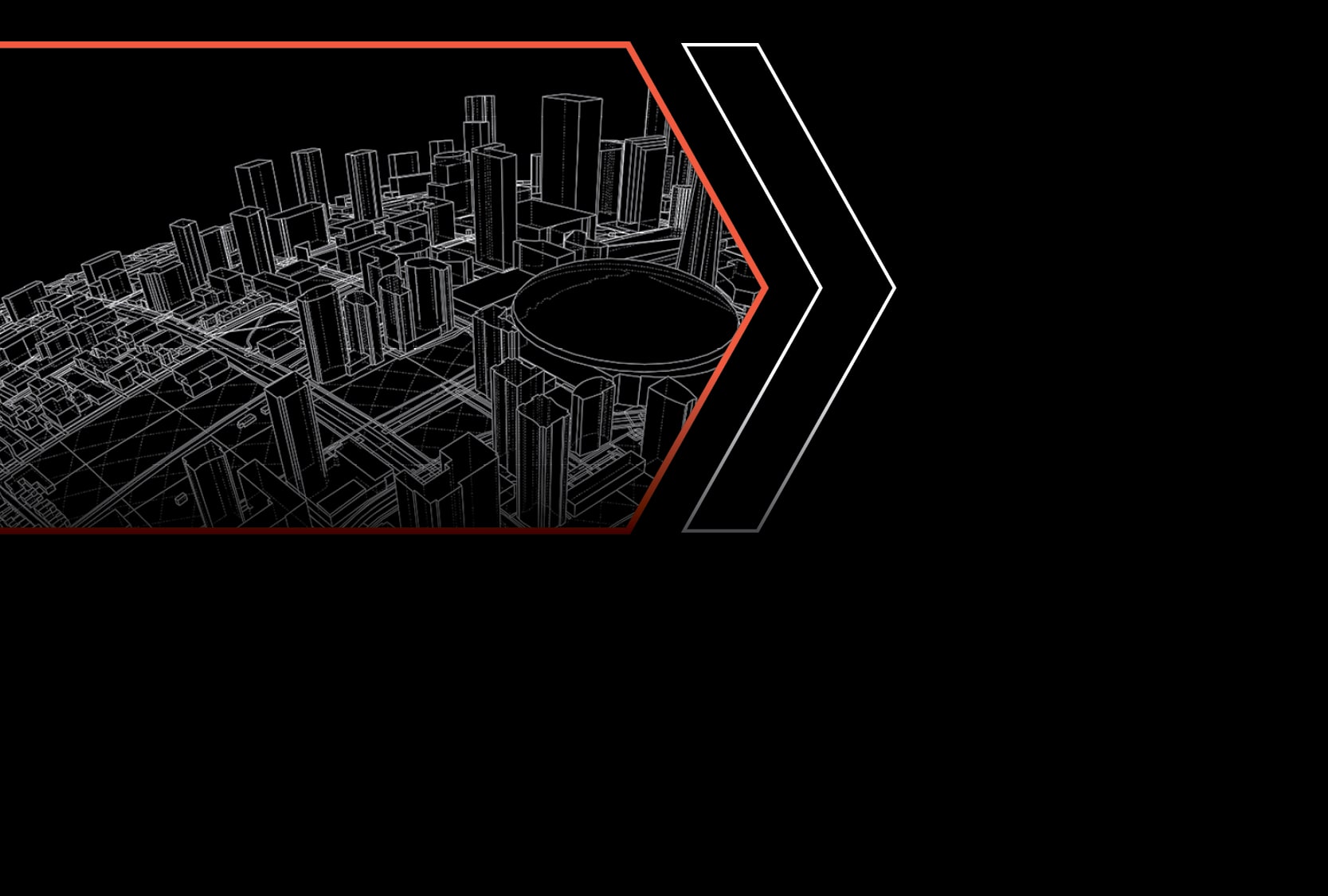
Building information modeling technology has been used for some time in the manufacturing industry to complete projects more efficiently. The construction industry has recently realized the benefits of this efficiency when BIM is applied to our own projects, and AGC is moving quickly to ensure all members understand the benefit of this technology. Contractors may earn a competitive advantage by passing the many benefits of BIM on to owners. BIM is the process of generating and managing computerized, multidimensional models linked to databases that house the design specifications, schedules and other documents related to a construction project. BIM provides all parties involved on a project—from the architect to the general contractor and subcontractors—with shared, up-to-date project data. This allows for a richer design process and increased budget control through predictions about the project’s construction process, which means fewer surprises in design and reduced scheduling conflicts among trades. All this occurs long before ground is even broken. Technology improvements and integration fostered by expanded use of BIM are dramatically increasing efficiency in the industry. By offering this savings to owners, contractors may find themselves with an advantage over their competitors. Members of the AGC BIMForum are well aware of the benefits of using BIM on a project. The BIMForum’s more than 1,500 members collaborate using an online forum to facilitate the adoption of BIM in the architectural, engineering and construction industry. They work with all sectors to jointly develop best practices for virtual design and construction through online forums, useful deliverables and practical industry conferences.
BIMForum meeting attendance has doubled over the past year. Members recently met in Falls Church, Va., for two days of discussions about the challenges posed by BIM. Some of these challenges include adjusting to changes in the way contractors work and removing the perception that BIM increases liability. ConsensusDOCS addressed this misconception with the release of the 301 BIM Addendum in July. The BIM Addendum is the first and only industry standard document to globally address the legal concerns of BIM. The addendum provides a fair and balanced approach for all industry sectors to complete a project using BIM. It is also expected to accelerate the pace of BIM acceptance across the industry. AGC’s two-pronged approach to BIM begins with the BIMForum, which works to develop broad new industry practices that will enable full BIM implementation. The second part is focused on educating the workforce that carries out these changes and allows contractors to incorporate BIM productively into their companies. AGC is in the process of developing a BIM curriculum to be administered through our 96 chapters. This curriculum will educate construction professionals on all relevant aspects of BIM. Although the curriculum is still in development, it is expected that it will be comprised of six courses. Together, these courses should give students a broad understanding of new workflow processes, a basic grasp of the technology and an overview of the legal and insurance issues relevant to BIM. AGC expects to begin offering courses through the chapters in early 2009. BIM’s promises are great. Through a more streamlined, less expensive and less conflict-ridden process—including advanced analyses such as virtual tours of buildings, virtual code compliance checks, construction sequencing, energy use and security analysis—it can change the way we build. Although similar technology has been used in the automotive industry for many years, we can actually achieve greater gains in our own profession. We are an industry fractured by specialties but required to work in concert on a single project. BIM will enable us to work collaboratively in ways not seen since the era of the master builder. With BIM, construction can move quickly into the 21st century and beyond, completing one-of-a-kind quality projects with production-line efficiency.
|