|
Feature November/December 2009 Making Tracks Denver’s FasTracks program begins construction on theWest Corridor light-rail line from Denver to Golden, Colo. By Jennifer Seward
After five years of preconstruction planning, work has begun on Denver’s highly anticipated FasTracks program—a 12-year project to expand rail and bus service throughout the Regional Transportation District’s eight-county service area. Sidetracked into redesign by a budget shortfall, early construction on the 12.1-mile West Corridor light-rail line started in mid-2008, and general construction kicked off this fall. The project is the first of 11 included in the FasTracks program. In 2004, Denver-area voters passed a .04% sales-tax hike to fund what then was anticipated to be the $4.7-billion FasTracks project. The total cost now is targeted at nearly $6.9 billion. Scheduled for completion in 2017, FasTracks will consist of 122 miles of rail transit, including six new commuter- and light-rail lines, extensions of three existing lines, 18 miles of bus rapid-transit service and 21,000 new parking spaces. Denver’s historic Union Station will be redeveloped as a regional transit hub and bus service will be redirected there to better connect the eight-county district.
The West Corridor light-rail line will operate between Union Station in downtown Denver and the Jefferson County Government Center in Golden, serving Golden, Lakewood, the Denver Federal Center, Denver itself and Jefferson County. “West Corridor is definitely going to relieve a lot of the traffic congestion people have been experiencing for years in the west suburbs,” says FasTracks spokeswoman Pauletta Tonilas. Projections call for 30,000 light-rail riders per day by 2030. FasTracks is the Denver metro area’s own stimulus package and is “putting people to work,” Tonilas says. The West Corridor alone will add about 600 construction-related jobs, and at the height of construction, when all corridors are under way at the same time, the project will amount to an estimated 10,000 construction-related jobs and pump billions of dollars into the regional economy. “It is certainly creating opportunities for our members and creating jobs in the area,” says Tony Milo, executive director of the Colorado Contractors Association.
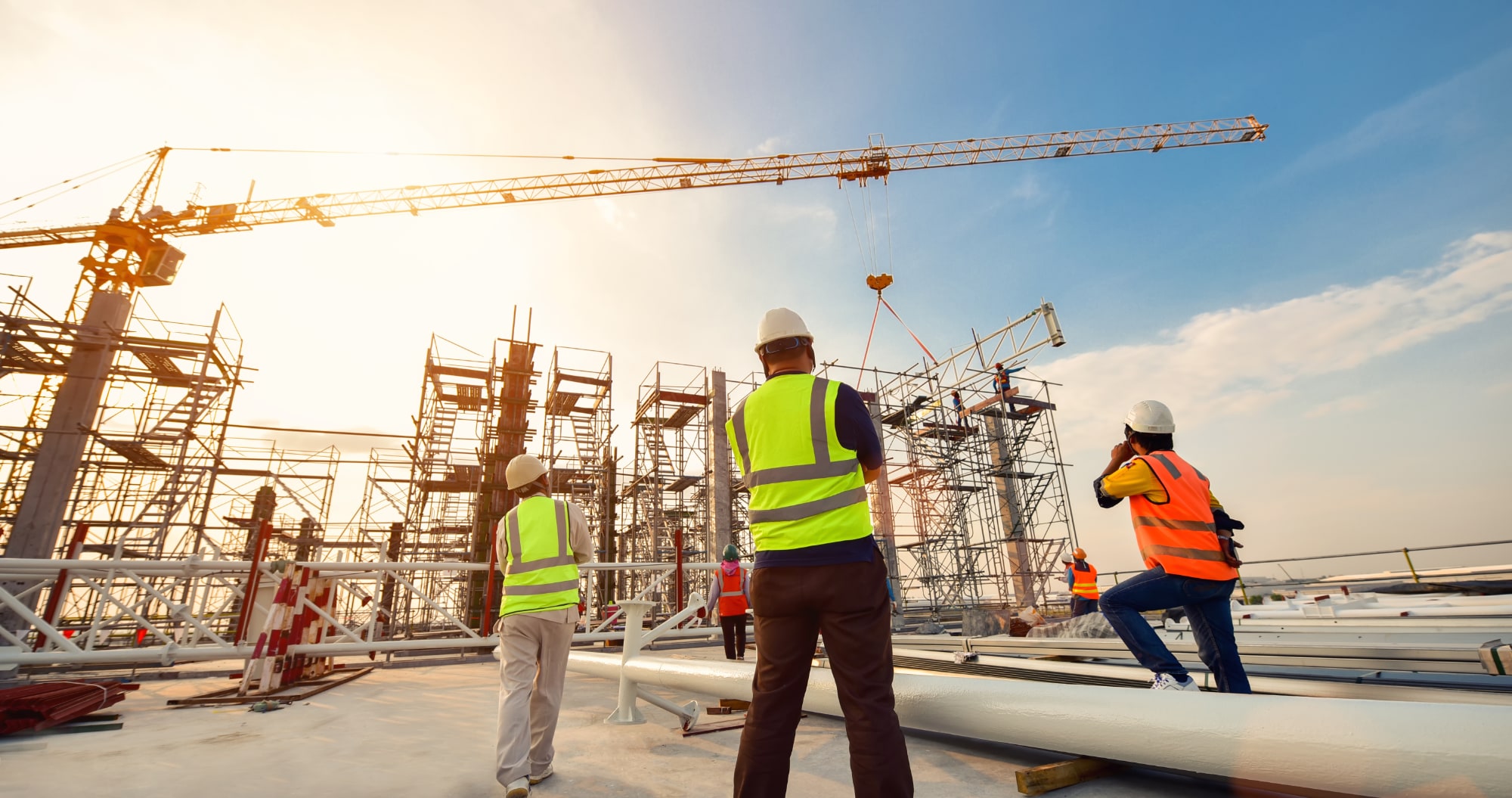
Moving Along RTD is partnering with the Denver Transit Construction Group, a joint venture of Herzog Contracting Corp., St. Joseph, Mo., and Stacy & Witbeck Inc., Alameda, Calif., both members of multiple AGC chapters. Crews spent the past year and a half pulling up old rail to make way for utility relocations and constructing pedestrian and light-rail bridges in preparation for the general construction now under way. RTD is sharing offices with the contractor for the duration of the project, an arrangement that has been especially effective in promoting communication between the organizations, says Jim Starling, RTD’s West Corridor project manager. Starling says a lot of structural work now is going on to get ready for track installation next summer.
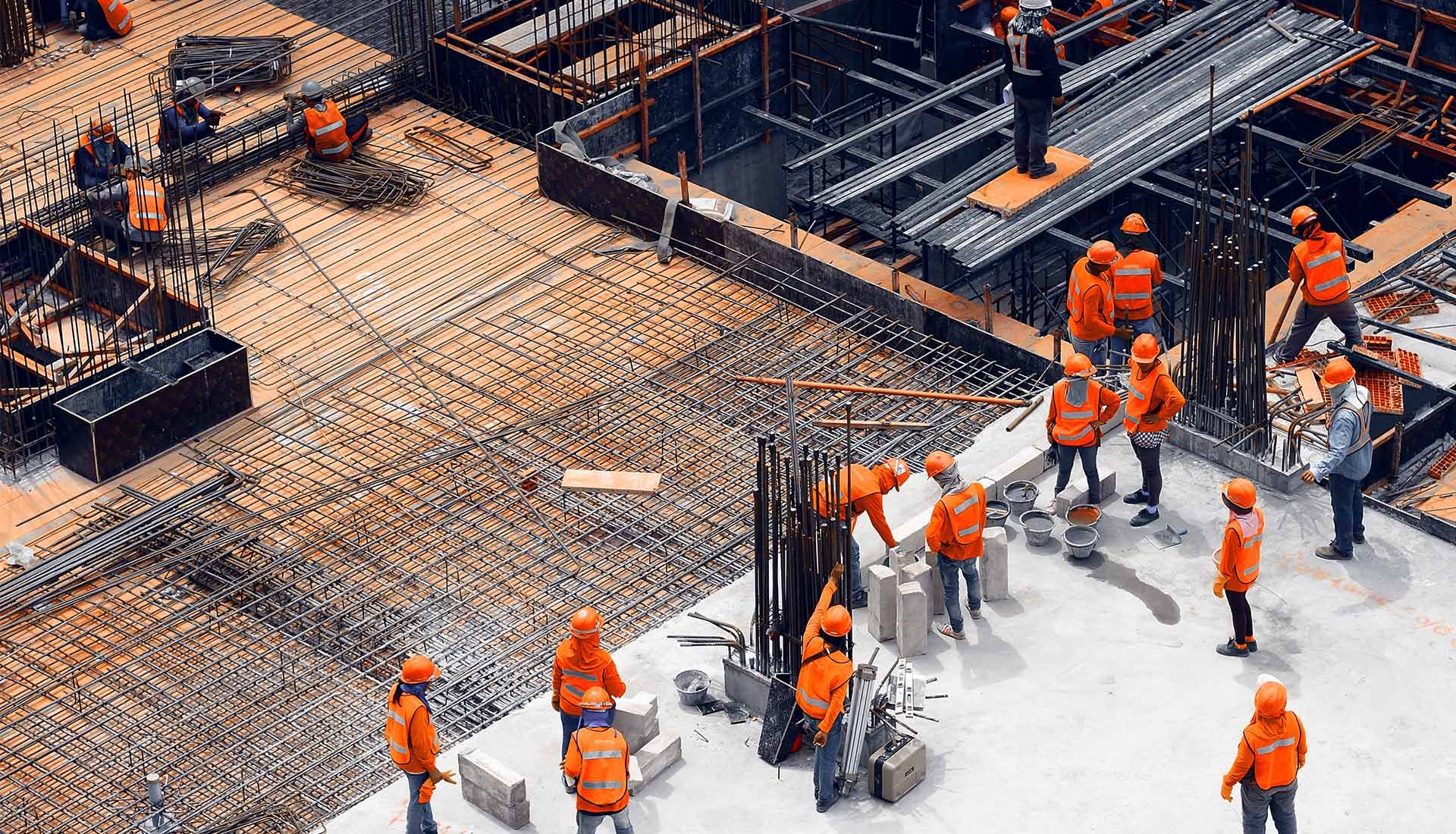
Drainage and sanitary/sewer improvements currently are under way, along with retaining-wall construction. Eight major structures/bridges, three pedestrian bridges and one pedestrian tunnel currently are in progress, and two minor bridges over waterways already have been completed. Crews will work through the winter and have already begun around-the-clock shifts with nightly closures. In October, the eastbound lanes of Interstate 70 near Sixth Avenue in Denver were completely shut down over a weekend to add bridge support in preparation for a light-rail along the avenue that will go underneath a portion of the I-70 bridge. Westbound I-70 was closed a couple of weeks later to complete the work on the other side.
“This was short-term pain for long-term gain,” Starling says. “While this is not CDOT’s normal approach, this process is much better than having six months of detours and traffic issues.” Denver Transit project manager John West says a soft start can often pose a challenge for the contractor, but that has not been the case with this job. “We are pleased with the cooperation of the stakeholders and subcontractors to help us get up to speed as quickly as possible,” West says. The project primarily uses local subcontractors, employing 200 local workers. West says the public will begin to see major structures and retaining walls going up over the next few months, while grading will slow down as the ground begins to freeze. Excavation will soon begin for the parking structure at the Jefferson County Government Center and walls will be constructed behind the Jefferson County light-rail station.
|